Source Spiral Mechanical Fuel Level Gauge for Oil Tanks, Diesel Generators, and Industrial Storage
Find and compare 21 spiral mechanical fuel level gauge options from Chinese manufacturers. Evaluate specifications such as SUS304 stainless steel construction, analog sensor outputs, and customization support for oil tank and diesel generator applications.
Key considerations
Products List


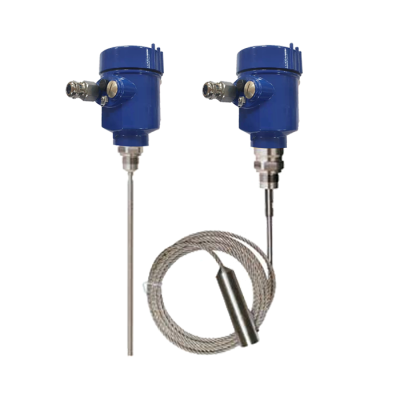

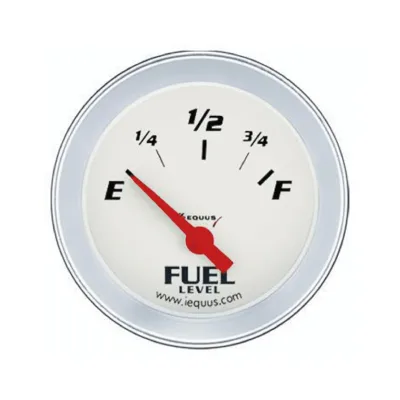


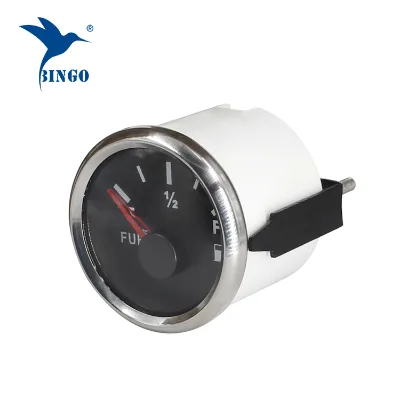
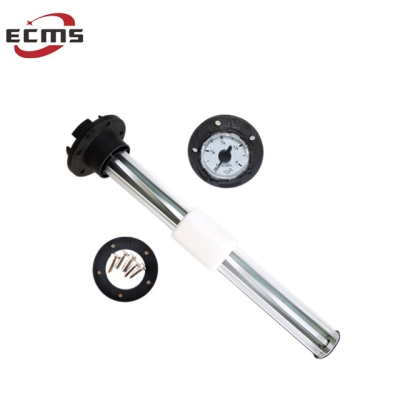


Comprehensive Sourcing Guide
Spiral Mechanical Fuel Level Gauge Sourcing Guide
Sourcing spiral mechanical fuel level gauges requires a disciplined approach to distinguishing between simple visual indicators and robust, high-precision measurement devices. These instruments are critical for inventory management in industrial, marine, and automotive applications where electronic sensors may fail due to harsh environments or where regulatory compliance mandates mechanical redundancy. Buyers must navigate a complex landscape of materials, installation methods, and calibration standards to ensure the selected gauge meets both operational safety and long-term durability requirements.
The procurement process involves evaluating a wide array of product listings that often contain mixed or ambiguous data. While some listings may reference unrelated categories such as diesel generators or submersible sensors, the core focus remains on mechanical fuel level measurement. Successful sourcing depends on verifying the specific mechanical design, material compatibility with the fuel type, and the accuracy of the reading mechanism. This guide provides a structured framework for evaluating suppliers and products based on observable market signals and technical necessities.
Product Scope and Observed Listing Signals
The current market for spiral mechanical fuel level gauges presents a diverse range of offerings, with observed price points varying significantly from low-cost basic indicators to high-precision industrial instruments. Listings often display a wide price range, reflecting differences in material quality, brand reputation, and included accessories. Buyers should be cautious of listings that bundle unrelated products, such as diesel generators or ceramic production processes, as these may indicate aggregator sites or poorly categorized inventory. It is essential to isolate the specific fuel gauge product from these mixed listings to ensure accurate comparison and sourcing.
Observed minimum order quantities (MOQs) also vary widely, ranging from single-unit purchases for prototyping to bulk orders for large-scale industrial deployment. Some suppliers offer customization options, including different thread sizes, flange types, and measurement ranges, which can impact the MOQ and lead time. Buyers should verify whether the listed price includes shipping, taxes, and any necessary installation hardware. Additionally, packaging details, such as carton or kraft carton packaging, should be reviewed to ensure the gauges are protected during transit, especially if ordering in bulk.
Technical Specifications to Verify
Material selection is a primary technical consideration, with stainless steel being a common choice for its corrosion resistance and durability in fuel environments. Buyers must verify the specific grade of stainless steel, such as SUS304, to ensure compatibility with the fuel type and environmental conditions. The surface treatment, including anodizing or other protective coatings, should be evaluated to prevent degradation over time. Additionally, the manufacturing process, whether casting or other methods, can affect the structural integrity and precision of the gauge.
Installation and measurement specifications are equally critical. Gauges may come in various installation models, including thread installation and flange installation, with different length options to suit various tank depths. Buyers should confirm the measurement range, which can extend from short distances to several hundred meters in specialized applications. The accuracy of the gauge, often specified as a percentage of full scale, should be verified against the application's requirements. Customization options for output signals, such as analog sensors or specific voltage ranges, may also be available for integrated monitoring systems.
Compliance and Safety Documentation
Certification requirements vary by region and application, with common standards including CE, RoHS, and E-Mark for European markets. Buyers must ensure that the supplier provides valid certification documents for the specific product model, as some listings may claim certifications that do not apply to the exact item being purchased. Additional certifications, such as CCC for China or ISO standards, may be required depending on the destination market and industry regulations. Verifying these documents before placing an order is essential to avoid customs delays or compliance issues.
Safety documentation should also include detailed installation instructions and maintenance guidelines. Mechanical gauges, while robust, require proper installation to ensure accurate readings and prevent leaks or failures. Buyers should request technical datasheets that outline the operating temperature range, pressure ratings, and recommended maintenance intervals. For high-temperature or anti-corrosion applications, specific material certifications and test reports should be obtained to validate the gauge's performance under extreme conditions.
Cost Drivers and Commercial Terms
The cost of spiral mechanical fuel level gauges is influenced by several factors, including material quality, customization level, and order volume. Stainless steel gauges with advanced surface treatments or specialized installation options typically command higher prices. Buyers should analyze the total cost of ownership, considering not just the unit price but also shipping, tariffs, and potential maintenance costs. Customization, such as ODM services or specific length requirements, can add to the initial cost but may reduce long-term operational expenses by ensuring a perfect fit.
Commercial terms, including warranty and payment conditions, play a significant role in the procurement decision. A standard warranty period of one year is common, but some suppliers may offer extended warranties for an additional fee. Buyers should negotiate clear terms for returns, replacements, and after-sales support. Payment methods, such as letters of credit or secure online transactions, should be chosen based on the order value and supplier reliability. Understanding these terms helps mitigate financial risk and ensures a smooth transaction process.
Supplier Qualification and Quality Control
Supplier qualification involves assessing the manufacturer's production capabilities, quality control processes, and track record. Buyers should verify the supplier's location, with many manufacturers based in regions like Zhejiang, Liaoning, or Fuzhou in China, known for their industrial manufacturing expertise. Requesting factory audits or third-party quality inspections can provide insights into the production process and quality assurance measures. Suppliers with established quality control systems are more likely to deliver consistent, high-quality products.
Quality control checks should include visual inspections, dimensional verification, and functional testing of the gauges. Buyers should specify acceptance criteria for accuracy, material integrity, and finish quality in their purchase agreements. For large orders, implementing a pre-shipment inspection protocol can help identify and rectify defects before the goods leave the factory. Building a relationship with a reliable supplier who prioritizes quality control ensures long-term supply chain stability and product performance.
Long-Term Procurement Checks
Long-term procurement success depends on continuous monitoring of supplier performance and product reliability. Buyers should establish key performance indicators (KPIs) for delivery times, product quality, and customer service responsiveness. Regular feedback loops with the supplier can help identify areas for improvement and foster a collaborative partnership. Tracking the performance of the gauges in the field, including any failures or maintenance issues, provides valuable data for future sourcing decisions.
As technology and regulations evolve, buyers must stay informed about new standards and product innovations. Periodic reviews of the market can reveal new suppliers or improved product designs that offer better value or performance. Maintaining a diversified supplier base can mitigate risks associated with single-source dependencies. By proactively managing the procurement process and staying engaged with industry developments, buyers can ensure their spiral mechanical fuel level gauge sourcing strategy remains effective and competitive.
FAQs
What certifications are available for spiral mechanical fuel level gauges?
Available certifications include CE, RoHS, E-Mark, TSRoHS, ISOCOP, and CCC. These standards ensure compliance with international safety and environmental regulations for industrial applications.
Can the product be customized for specific requirements?
Yes, customization is available for various product attributes including flange options and surface treatments. Buyers can request specific models like MMGC-200mm or PMGC-500mm to fit their needs.
What is the warranty period for these fuel level gauges?
The standard warranty period is one year, though some specific models may offer up to 18 months. This coverage protects against manufacturing defects during the initial operational phase.
Which raw materials are used in manufacturing these gauges?
Manufacturers use high-quality raw materials such as SUS304 stainless steel and ceramics for production. These materials ensure durability and resistance to corrosion in demanding environments like oil tanks.
How is the output signal configured for these sensors?
The default output signal is 4-20mA, but 0-5V and 0-10V options are available for customization. This flexibility allows integration with various control systems and monitoring equipment.
What is the measurement accuracy of the spiral mechanical fuel level gauge?
The standard measurement accuracy is 0.5%, with a customized option of 0.2% available. Nonlinearity is kept within 0.5fs% to ensure precise readings across the operational range.
Where are these products typically manufactured and shipped from?
Products originate from various locations in China including Zibo, Fuzhou, Zhejiang, and Liaoning. This diverse manufacturing base supports large-scale production and efficient global distribution.